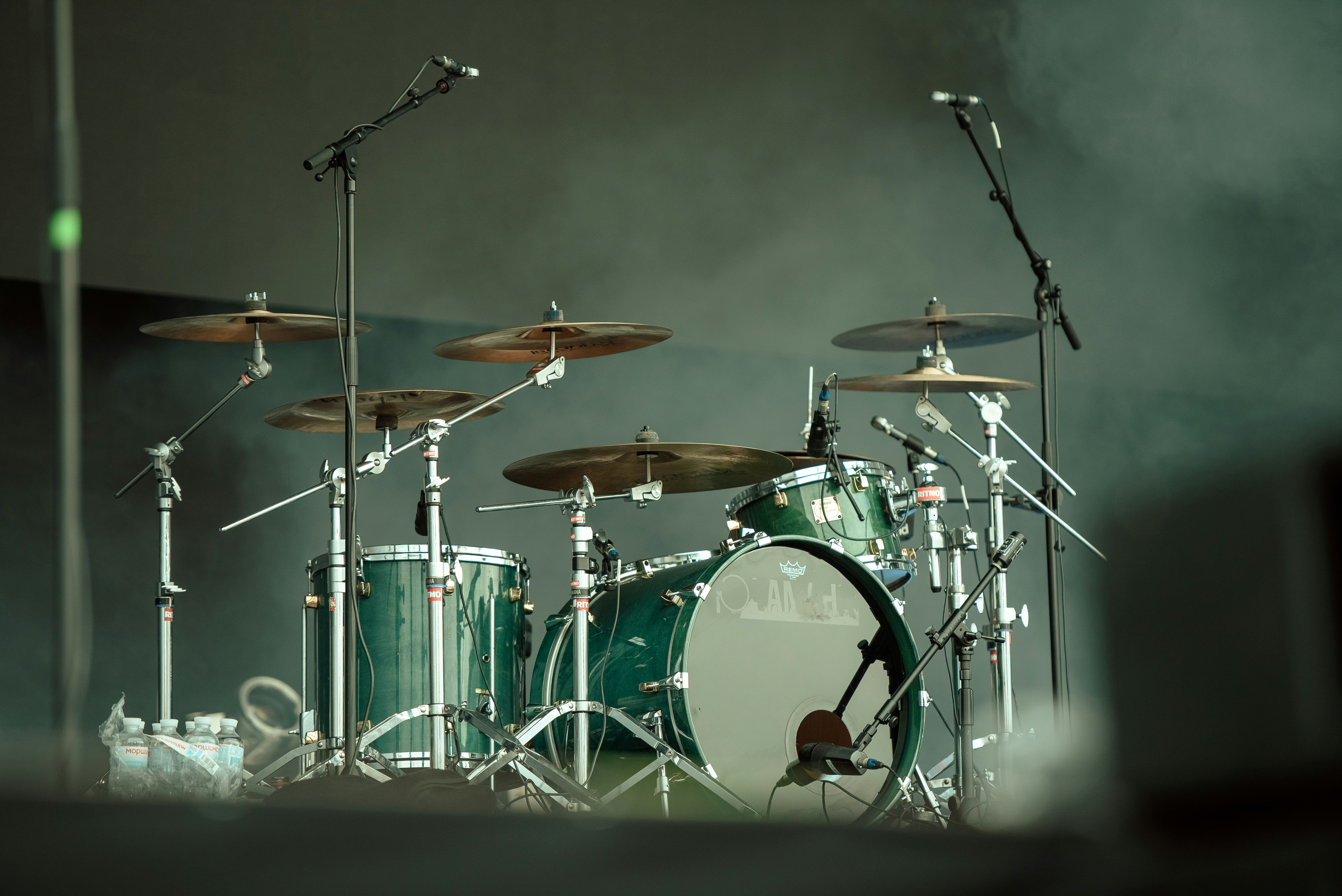
Feel Every Beat With Authentic Acoustic Drums
Explore rich, responsive drum sets built for practice, performance, recording, and every stage of your musical journey.
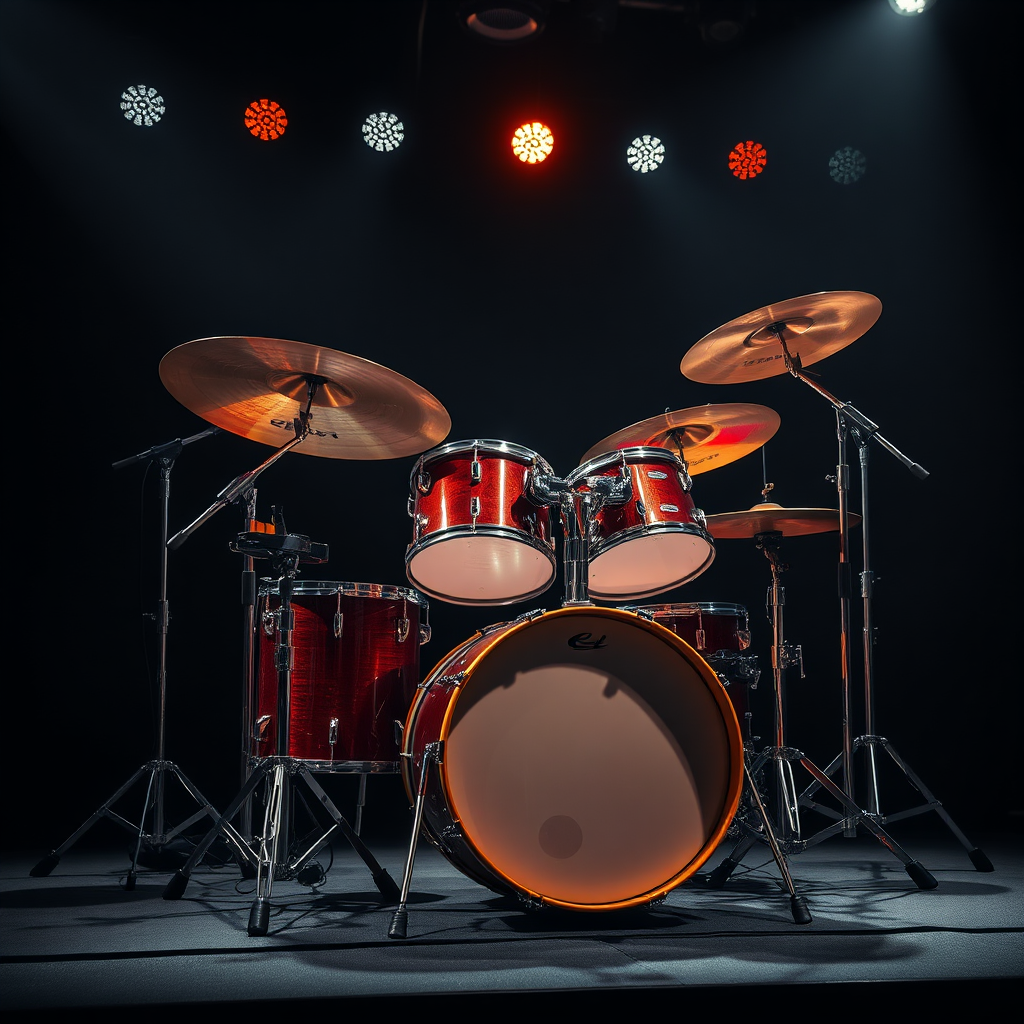
Match Your Music Style
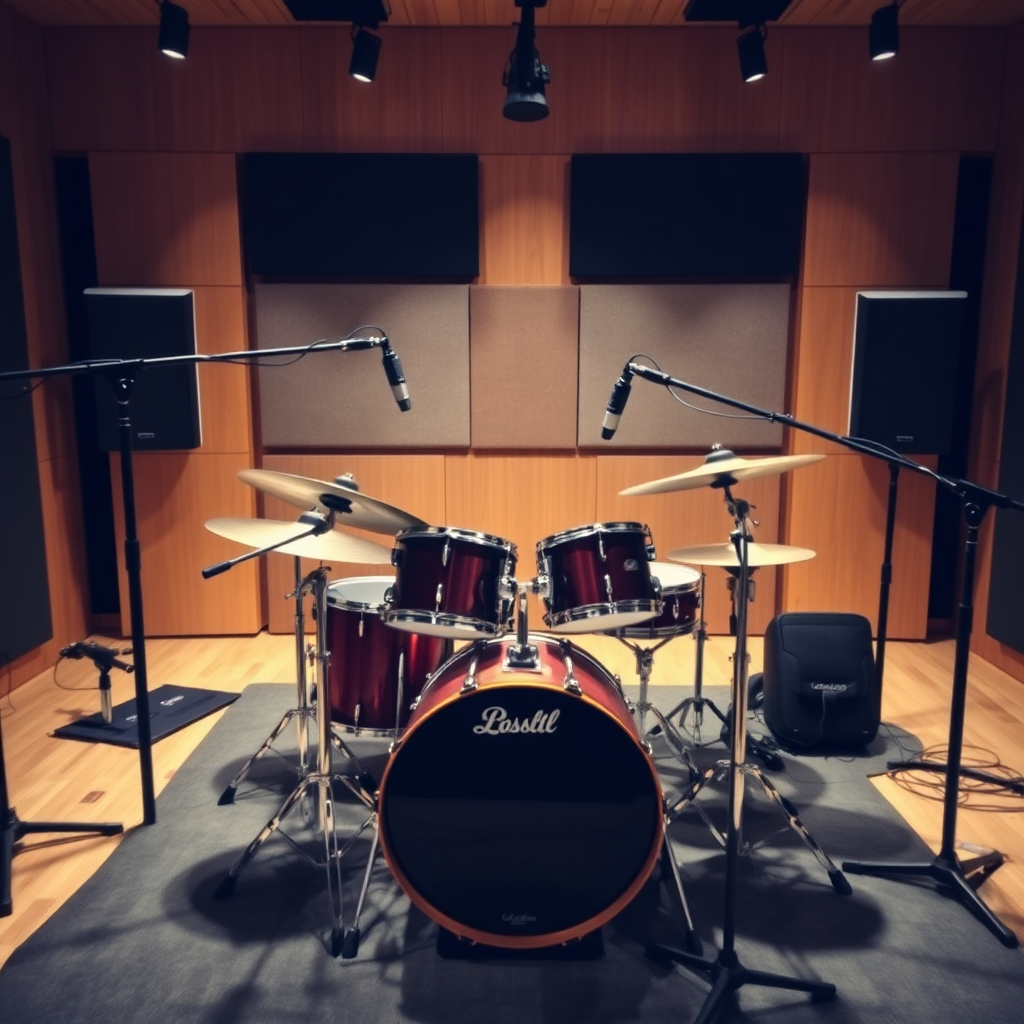
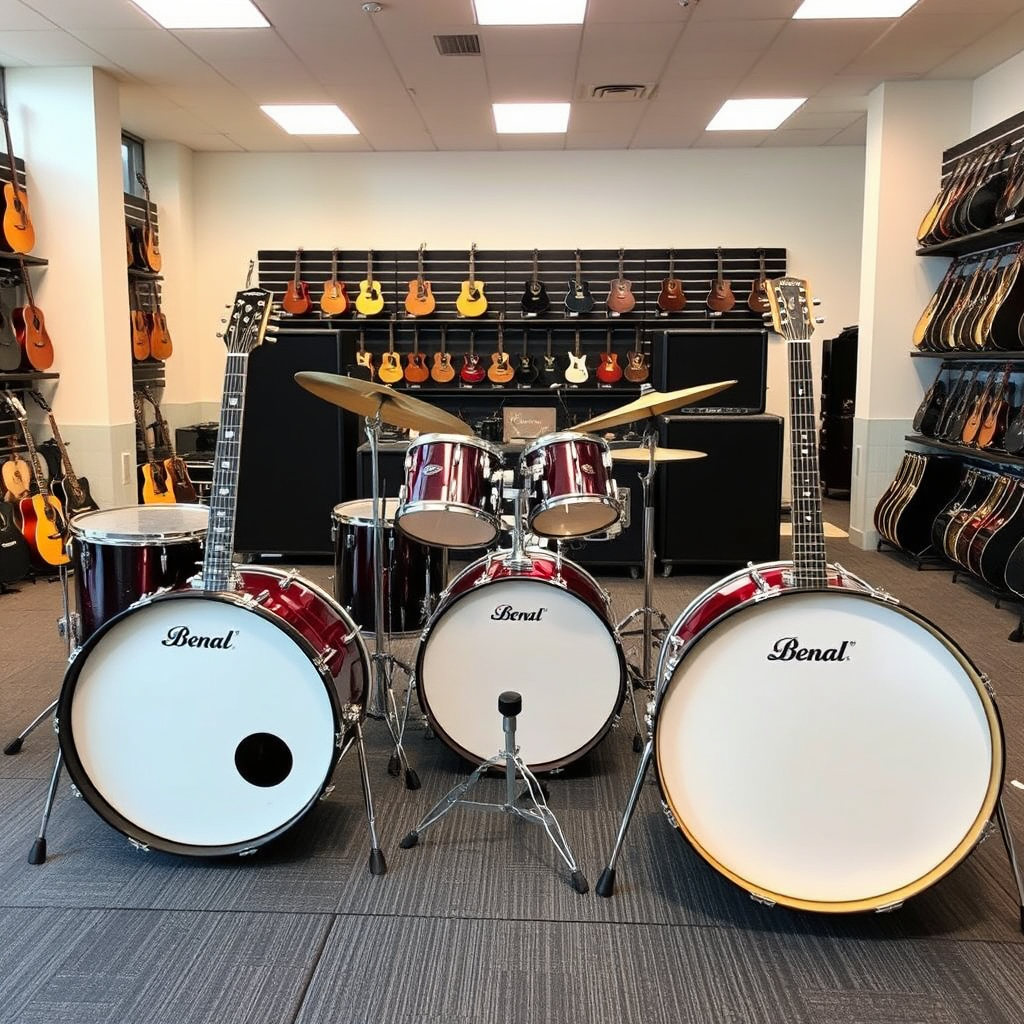
Rock drummers often prefer larger shells for deep projection, while jazz players may choose smaller kits for warmth and articulation. Before buying, consider your main genre, venue size, and whether you need punch, resonance, portability, or studio-friendly control.
Select the Right Shells
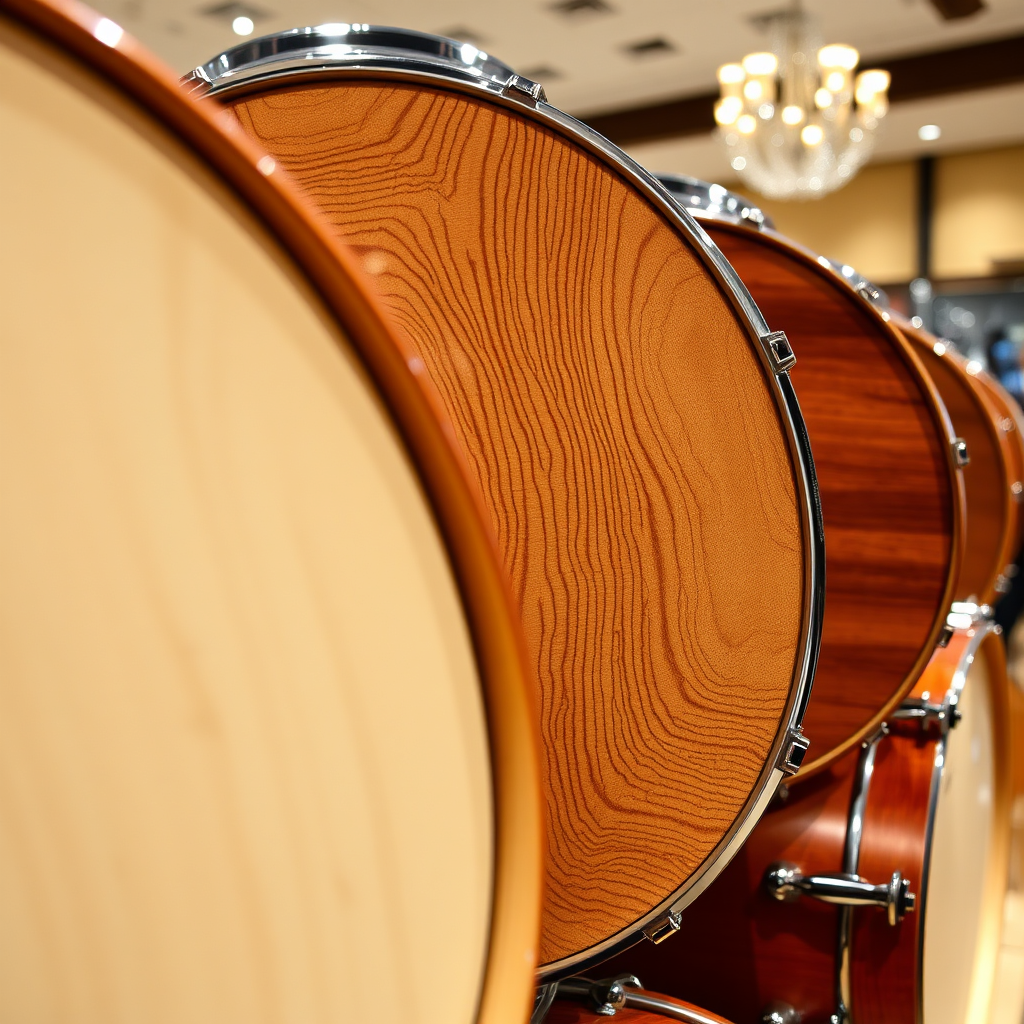
Shell material strongly affects tone. Maple offers balanced warmth, birch provides focused attack, and mahogany delivers darker low-end depth. Test different shell types whenever possible, listening for sustain, clarity, and how each drum responds to soft and loud playing.

Consider Room and Volume
A great kit should suit where you play most. Smaller rooms may benefit from controlled heads, damping, or compact shell sizes, while stages often require louder, more resonant drums. Choosing for your environment prevents overpowering sound or weak projection.
Quality Features That Matter Most

Strong Reliable Hardware
Sturdy stands, pedals, lugs, and mounts keep your kit stable during practice and performance. Look for smooth adjustments, solid clamps, and durable chrome plating. Weak hardware can cause tuning problems, unwanted movement, and unnecessary replacement costs.
Consistent Tuning Response
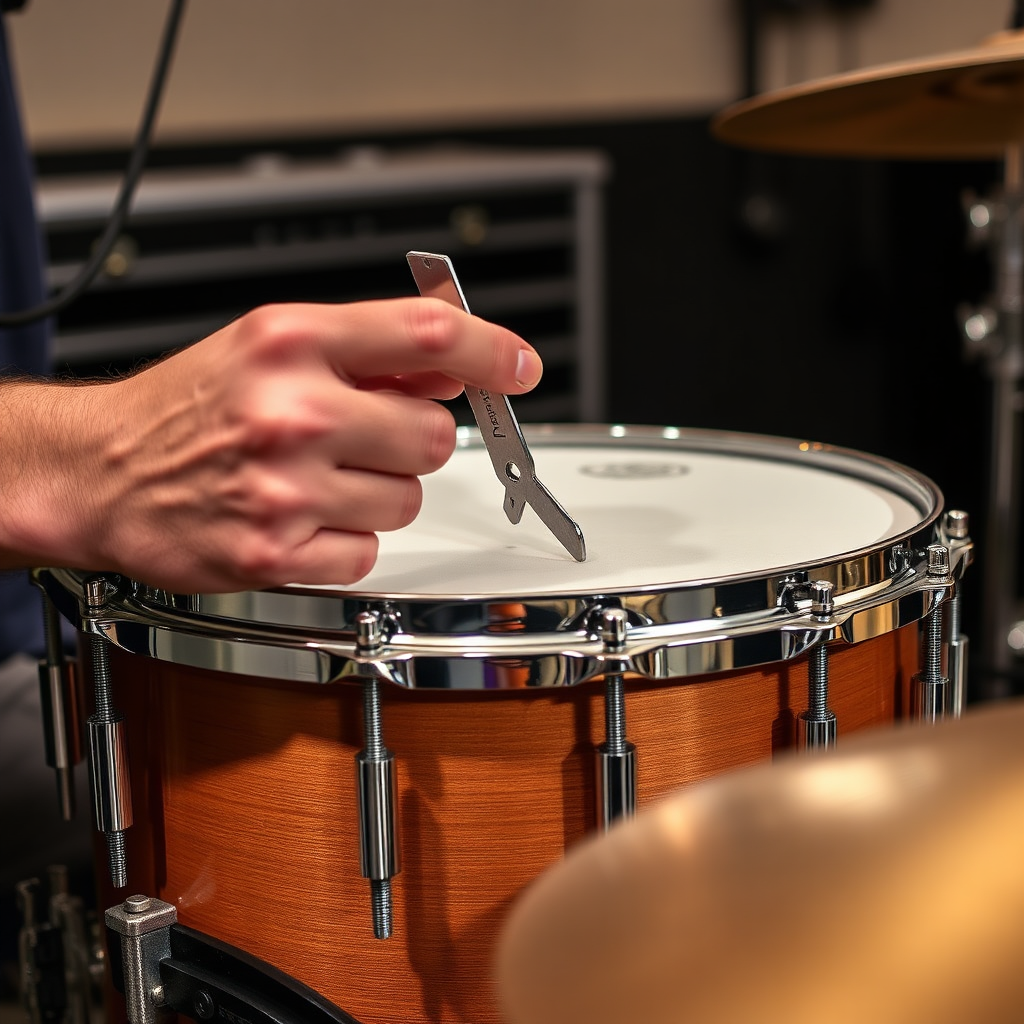
A quality acoustic kit should tune smoothly across low, medium, and high ranges. Even bearing edges, responsive heads, and solid tension rods help each drum hold pitch longer, making your sound more reliable for rehearsals, gigs, and recording sessions.

Balanced Cymbal Pairing
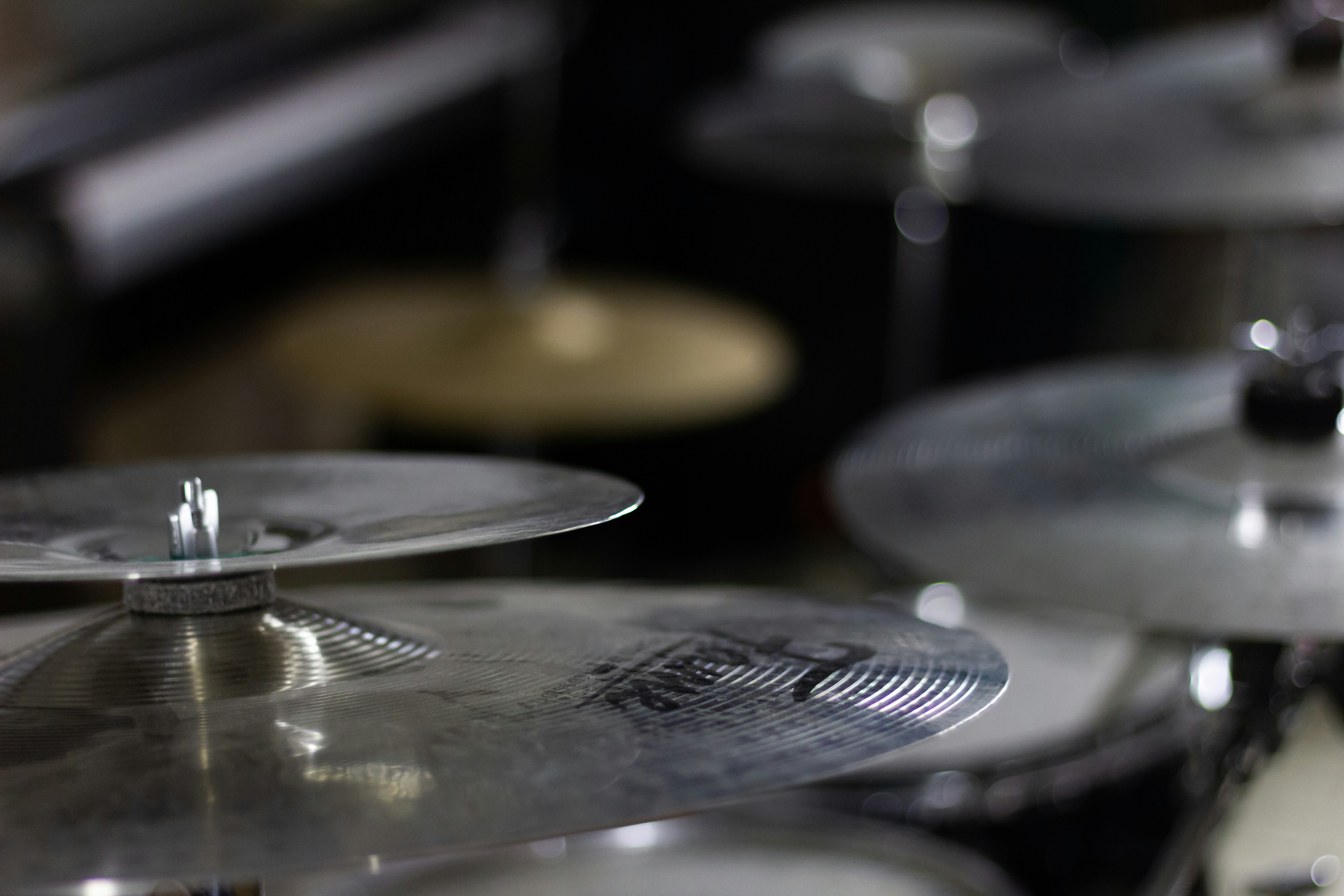
Cymbals shape the personality of your kit as much as the drums. Choose hi-hats, crashes, and rides that complement your playing style. Bright cymbals cut through loud bands, while darker cymbals add warmth and control in studio or acoustic settings.
Drum Kits for Every Player
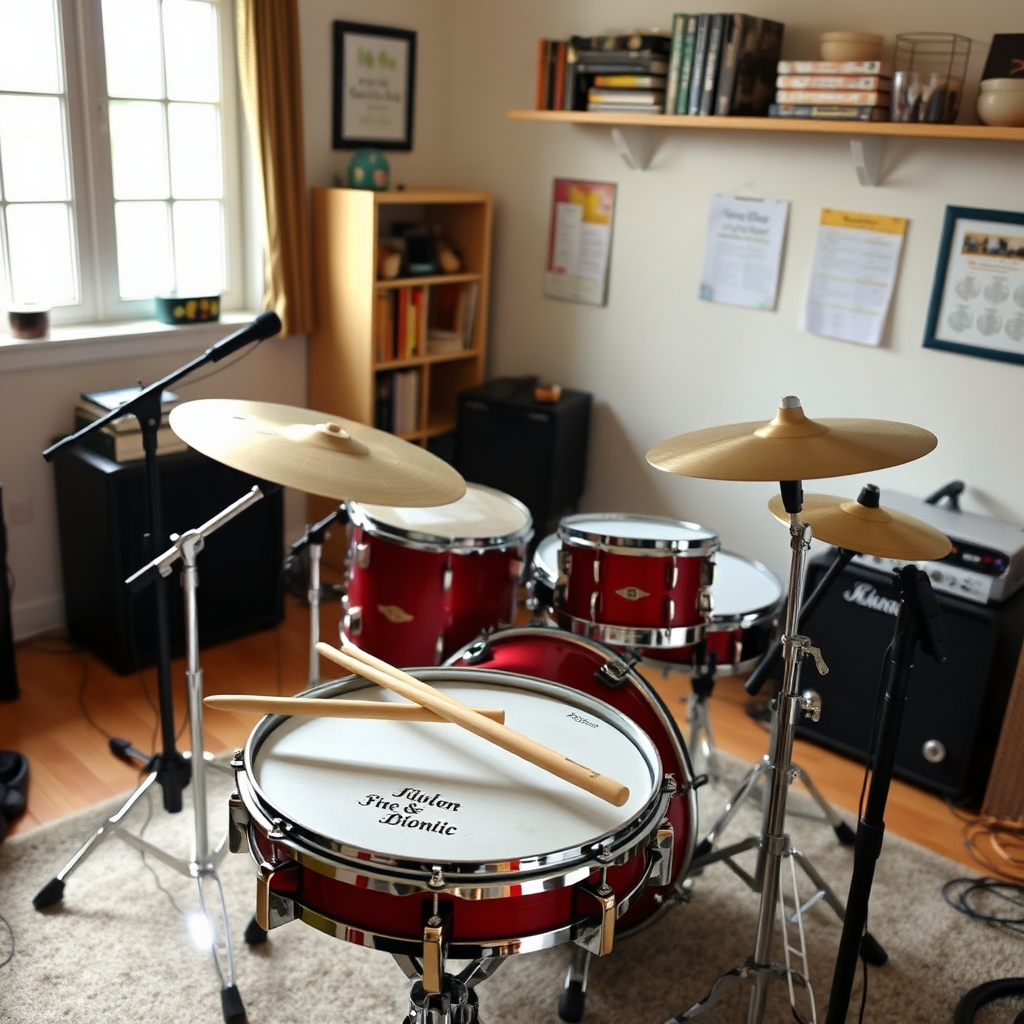
Beginner-Friendly Setups
New players benefit from complete kits that include drums, cymbals, hardware, throne, and pedals. A reliable starter set removes guesswork and lets beginners focus on timing, coordination, and confidence instead of complicated gear decisions.
Student Growth Options
Students should choose kits that can grow with their skills. Upgradable heads, better cymbals, and expandable tom configurations allow developing drummers to improve tone and versatility without replacing the entire set too soon.
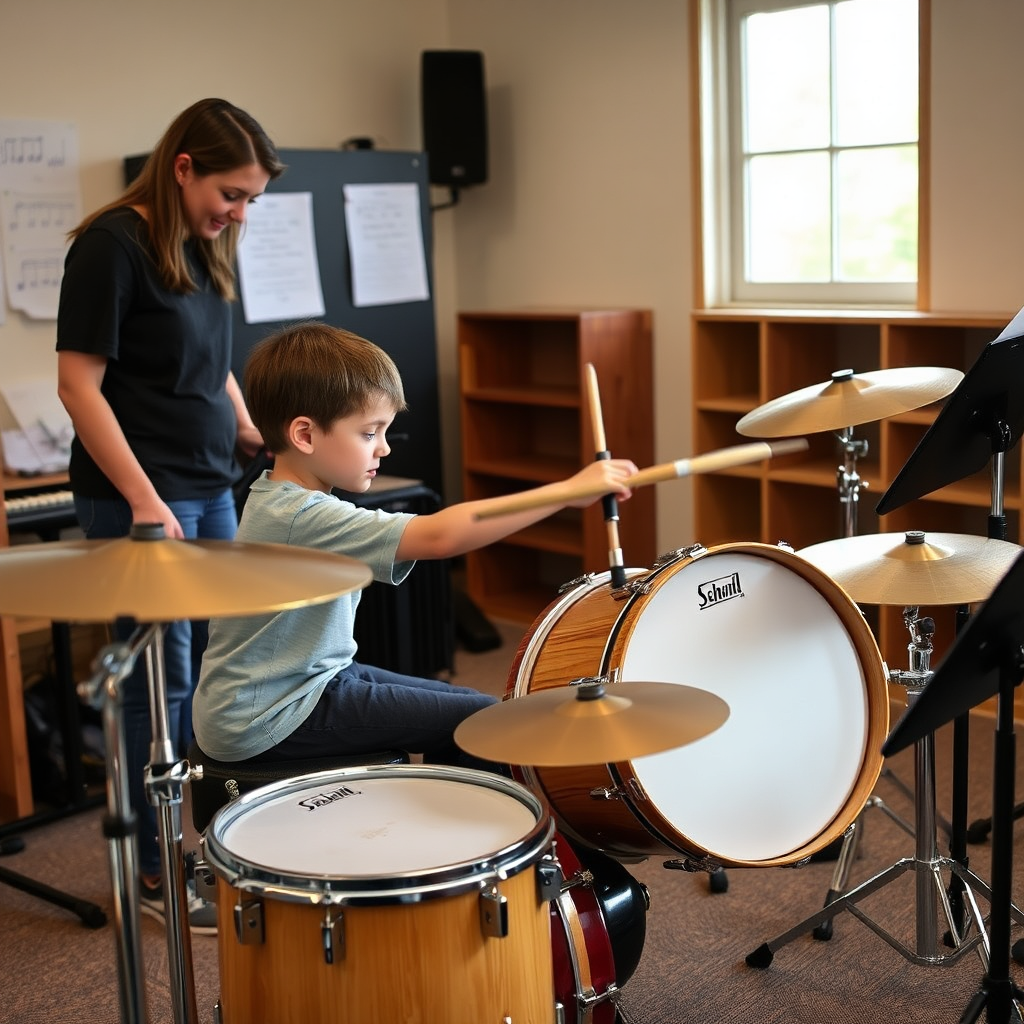

Professional Performance Kits
Advanced players need responsive shells, dependable hardware, and a sound that fits studio and stage demands. Professional kits offer greater tuning range, dynamic sensitivity, and projection, helping drummers deliver consistent performances night after night.